
UX Writing in Cybersecurity: Help Users, Not Imposters
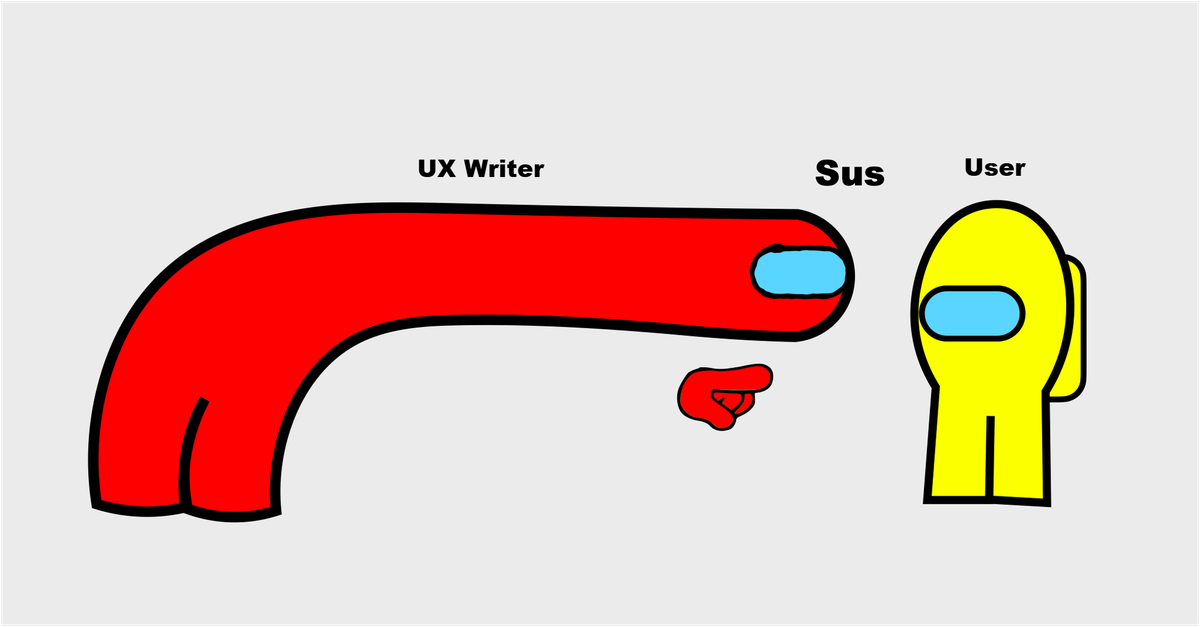
What if I told you your microcopy could help a hacker break into your system? In cybersecurity UX writing, sometimes “boring,” “vague,” and “intentionally unhelpful” are your strongest defenses.

What if I told you your microcopy could help a hacker break into your system? In cybersecurity UX writing, sometimes “boring,” “vague,” and “intentionally unhelpful” are your strongest defenses.
How can teams maintain consistent microcopy across complex, cybersecurity products? This article shares some of our R&D team journey in building a native copy library using Figma Variables, exploring how UX copy can live inside a design system, scale with product growth, and simplify collaboration.
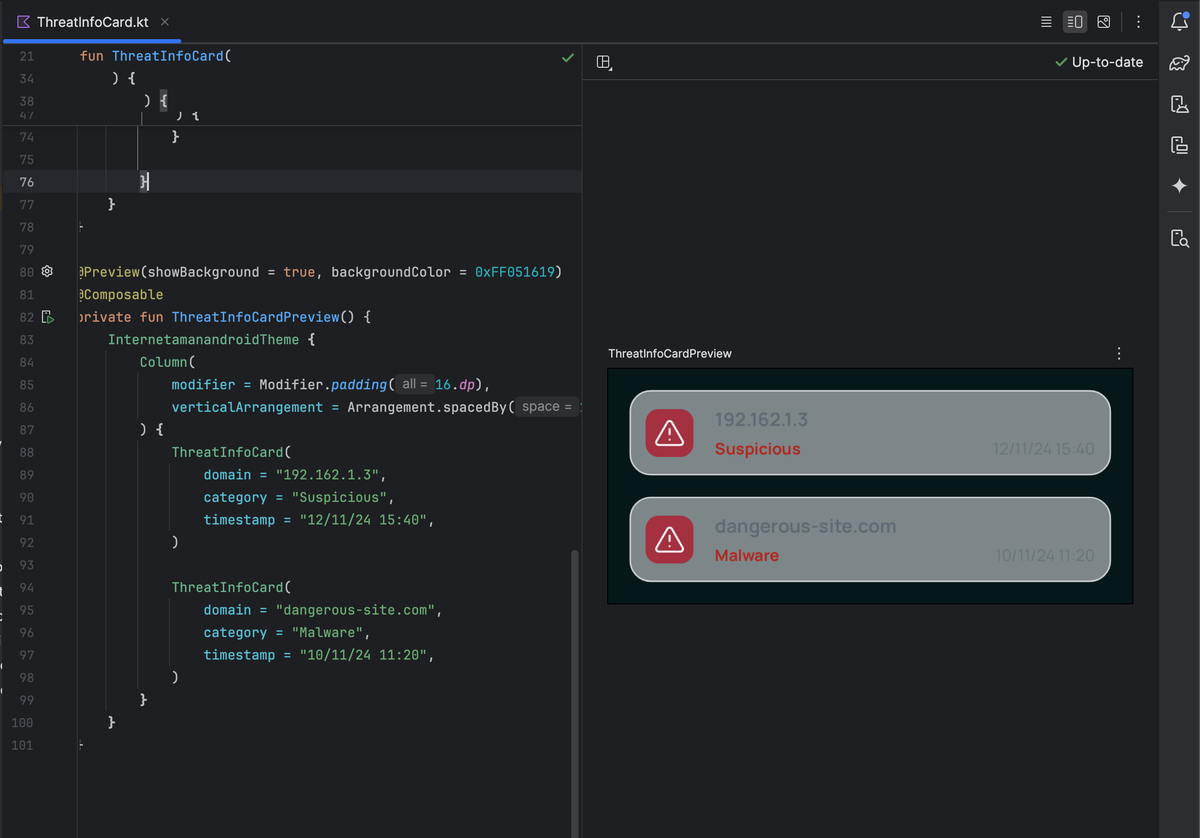
Jetpack Compose offers more than simplicity—it brings security through code obfuscation. Unlike XML layouts easily decompiled by hackers, Compose UI code gets scrambled by R8 with Kotlin functions, making your app's structure harder to reverse-engineer while boosting productivity.
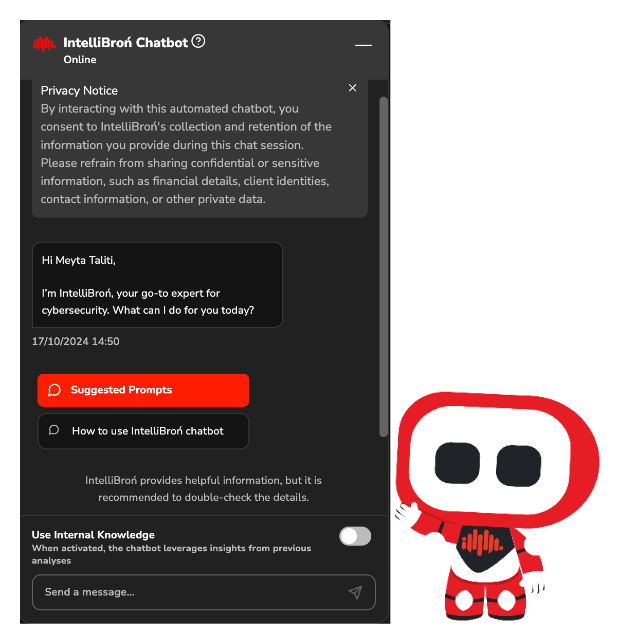
This article shows how IntellIBroń ChatBot AI technology works in the backend. We utilise our own developed RAG. Retrieval-Augmented Generation (RAG) is a technique that combines retrieval-based and generative methods to produce more accurate and relevant responses.
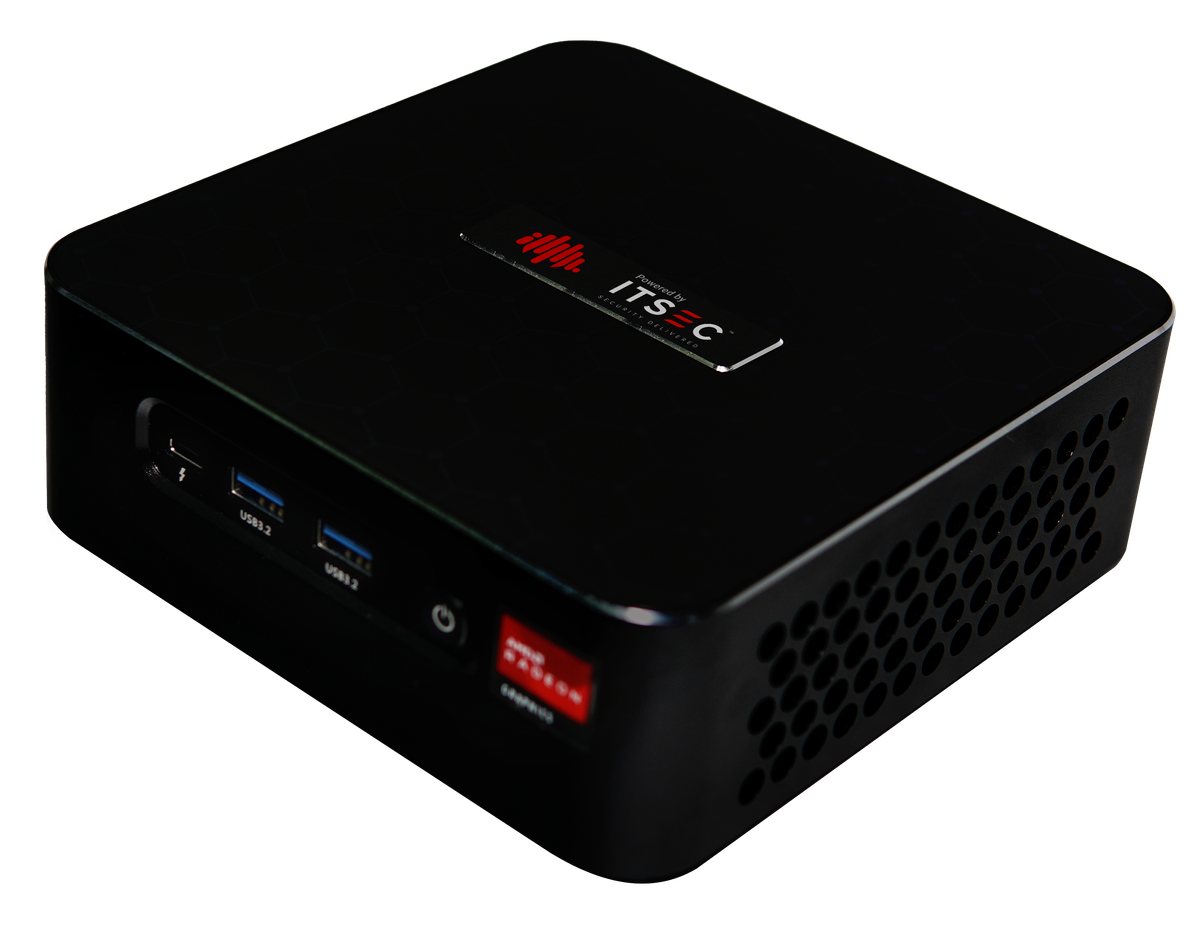
IntelliBron provides an option for retailers and small businesses by using the small form factor of computers to detect threats.
While you can train for cybersecurity in simulated environments, labs or schools, experiencing and analysing real incidents with genuine criminals and combating real hacktivism only happens in real industry settings.